
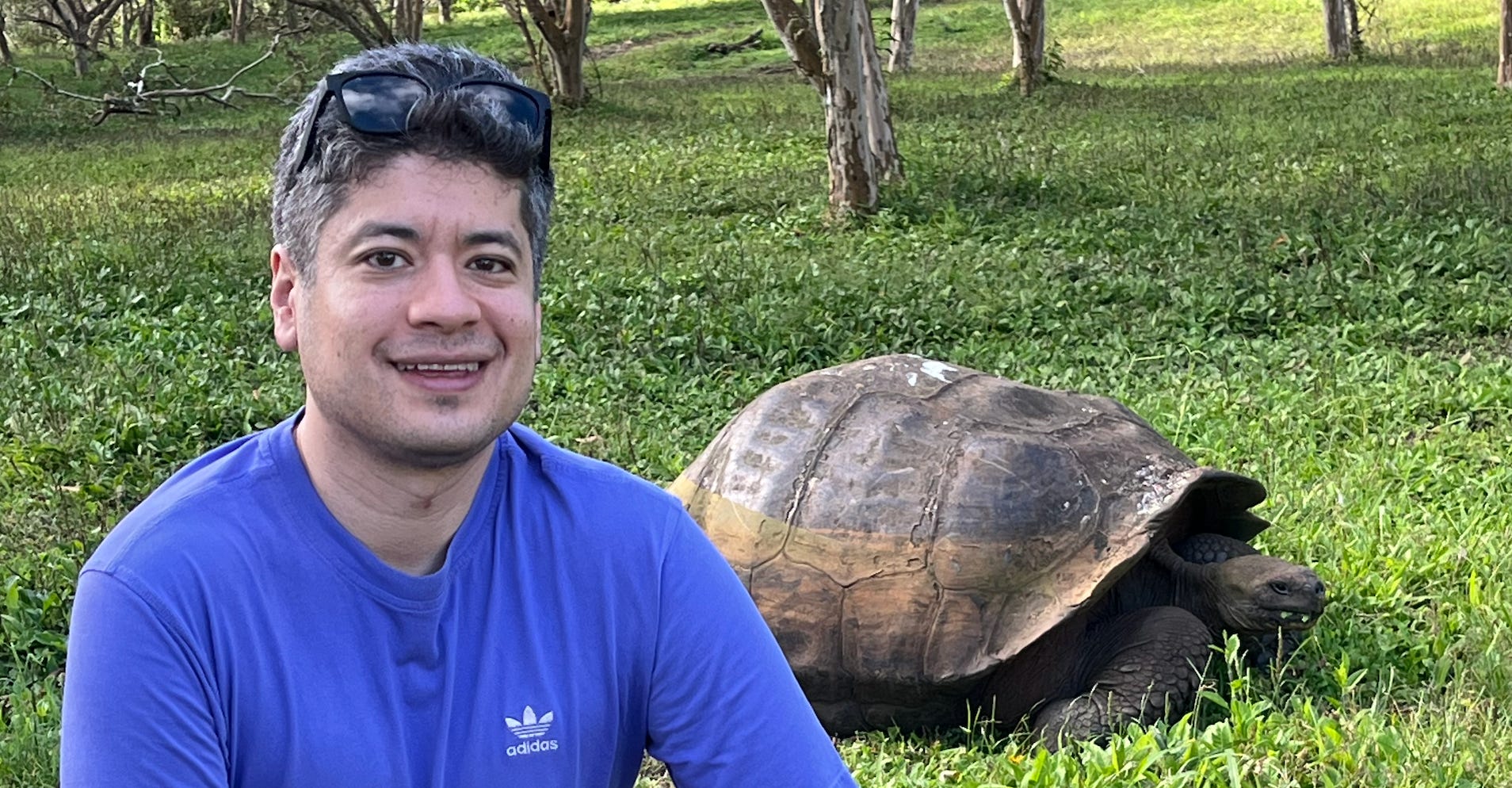
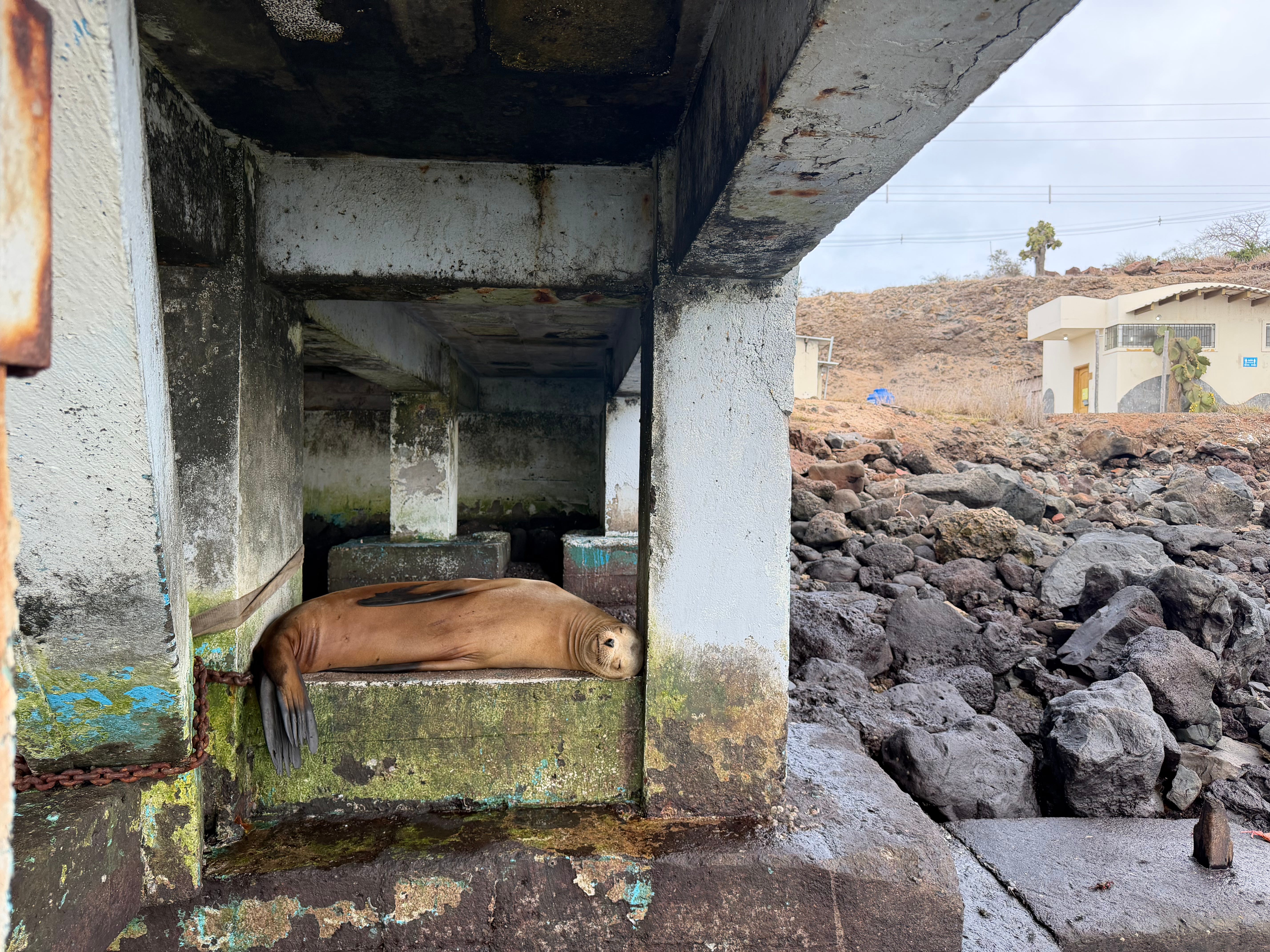
I’m writing this on my flight back from a weeklong trip to the Galapagos Islands, where for the first time in years I was largely without access to the Internet. For someone as congenitally online as I am, this at first seemed a curse. It turned out to be far from that and has me questioning a lot of what I thought I knew about media, politics and, well, people.
My Galapagos excursion took place on a boat with over a dozen other travelers. They were young and older, professors and small business owners (even an Army colonel!), Republicans and Democrats, from big cities and small towns. People from wildly different backgrounds readily shared sunscreen, snacks, even life advice. And while it wasn’t partisan, it also wasn’t apolitical: issues like the outrageous cost of housing, healthcare and childcare came up. Yet absent was the political vitriol that the national security state says necessitates a new domestic war on terrorism.
Contrary to the national security threat machine’s picture of a country at war with itself, we all got along so swimmingly that the idea of a civil war or anything like it struck me as laughable, as did the notion that the statistically insignificant number of politically-motivated killings, though real, said anything at all about the vast majority of real-world Americans. I say ‘real-world’ to distinguish from the Internet, where anonymity and disembodied reality can lead to people saying things they never would in real life.
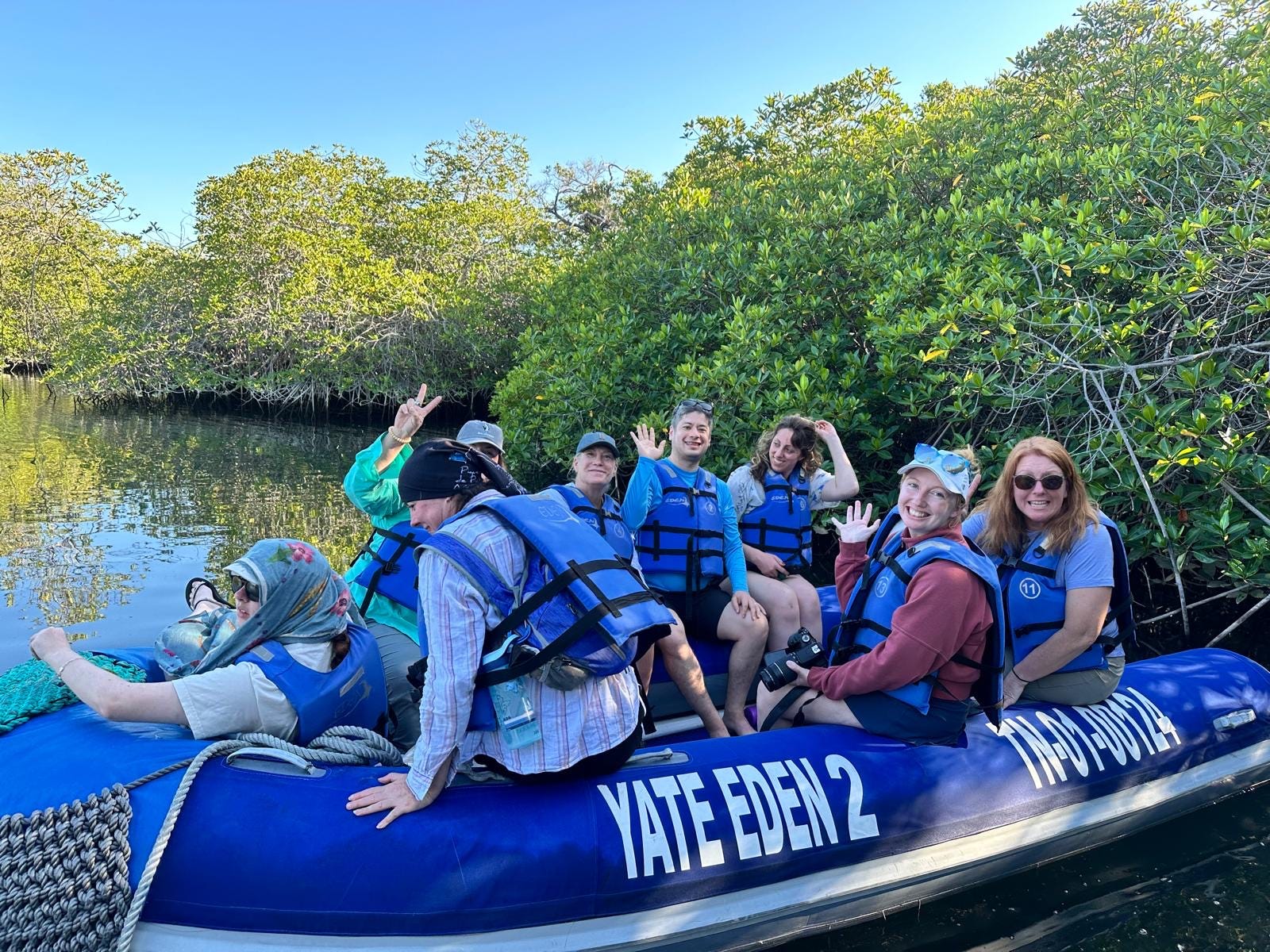
The Galapagos are unique because its extreme remoteness has insulated various species from outside predators, providing Charles Darwin a controlled setting to observe and later theorize evolution. That same remoteness — in my case from the constant intravenous drip of the internet and social media for the first time in maybe my entire adult life — left me with the staggering realization that what passes for news is mostly just noise.
Where Darwin prized the islands for its incubation of remarkably distinct animal lineages, I too benefited from the bewitching remoteness of the Galapagos. During the brief, intermittent moments that I had time to check the news (rather than living through it moment by moment), I realized how utterly forgettable and meaningless most of it was.
Not watching every twist and turn about, say, the latest Epstein transparency failure, I noticed how little these news cycles ultimately produce — a very different picture than the 24/7 cycle creates. When I saw that Washington media had dogpiled Trump’s chief of staff Susie Wiles for offering some mildly critical remarks about Elon Musk and other administration figures, it occurred to me that no one would give a shit about or even remember any of this a week from now.
I came away shocked and sad at how much the media traffics in fake urgency as a result of its quest for the click. Combine that with national security’s constant drumbeat of civil war, disinformation, terrorism, violence, and the threat from within and you can see why people disengage from the news. It’s not they don’t care, lack “media literacy,” or any of the usual explanations. They look at the hurricane of sensational headlines and aren’t sure what they’re supposed to do with any of it or if they should even believe it. And they’re right.
When another traveler on the boat, an academic, remarked that she didn’t really follow the news, it occurred to me that if even a very intelligent, well-educated and thoughtful person feels this way, the media has a much deeper problem than supposedly lazy audiences.
None of this is to say that there isn’t important news out there. But as with evolution, change is usually more gradual, like the shifting of tectonic plates, than the 24/7 cycle suggests.
One of the most striking features of Galapagos is its record number of “endemic” species, or those that can only be found in this one place. That’s why the islands have an almost otherworldly feeling with such unique creatures as the giant Galapagos tortoise, the blue-footed booby, and the Galapagos penguin. The takeaway here is that sometimes evolution requires insulation from outside forces. And if I’m honest, as much as I love social media, it makes it difficult to develop the intellectual equivalent of Galapagos’ delicate species because these gargantuan apps foster a ruthless competition for your attention that becomes a race to the bottom.
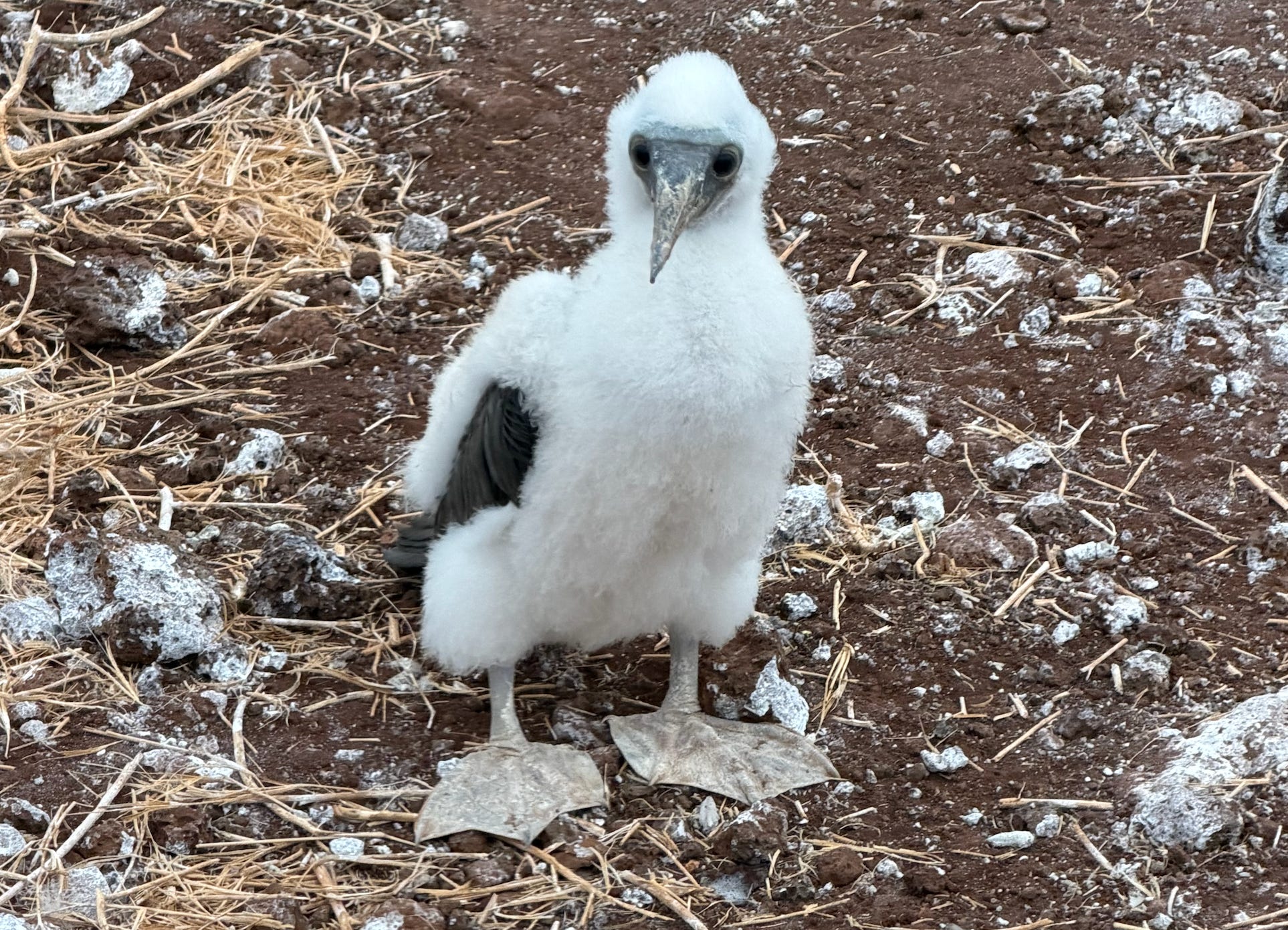
In other words, social media is such a free-for-all of attention-grabbing stunts that it’s hard to see through the blizzard of posts to what actually matters — which is supposed to be the whole point of journalism.
What the incentives for now, now, now creates is a perverse system of survival of the dumbest. Just take a look at the insane number of hoax Epstein documents and allegations swirling around social media right now. A doctored video of Jeffrey Epstein committing suicide in his cell has generated millions of views on X alone, despite the hoax clip having first circulated in 2020.
As I return to celebrate Christmas, I realize that I didn’t really miss much during my week without social media. What passes for the news though, at its breakneck speed, zooms here and there, initially making it feel like I missed so much, that it’s all so overwhelming, that I can’t possibly keep up and should instead retreat to my family and friends, my reading, my hobbies, my team, my town. Nothing encourages me to be involved. And though I know that those in charge don’t have everything under control, don’t have a plan, and are grossly committed to survival of the fittest, I also am reminded that they love it this way. The blizzard of false urgency leaves us, the public, confused — just how the elite like it. We are prey.
But I have a plan. In this next year I’ll be focusing more on stories that actually matter instead of chasing the flash-in-the-pan ephemera that nobody remembers the next week. And most importantly, I’m also going to create my own island, by launching a new kind of website apart from Substack and the social media maelstrom. My dream is to create a home for news that is truly endemic to the site — that you can’t find anywhere else — by incubating stories that evince the kind of uniqueness as the magical creatures of the Galapagos.
Help me protect the fragile species that isn’t predatory, clickbait journalism by becoming a paid subscriber below (or via our GoFundMe if you prefer a one-off contribution.)
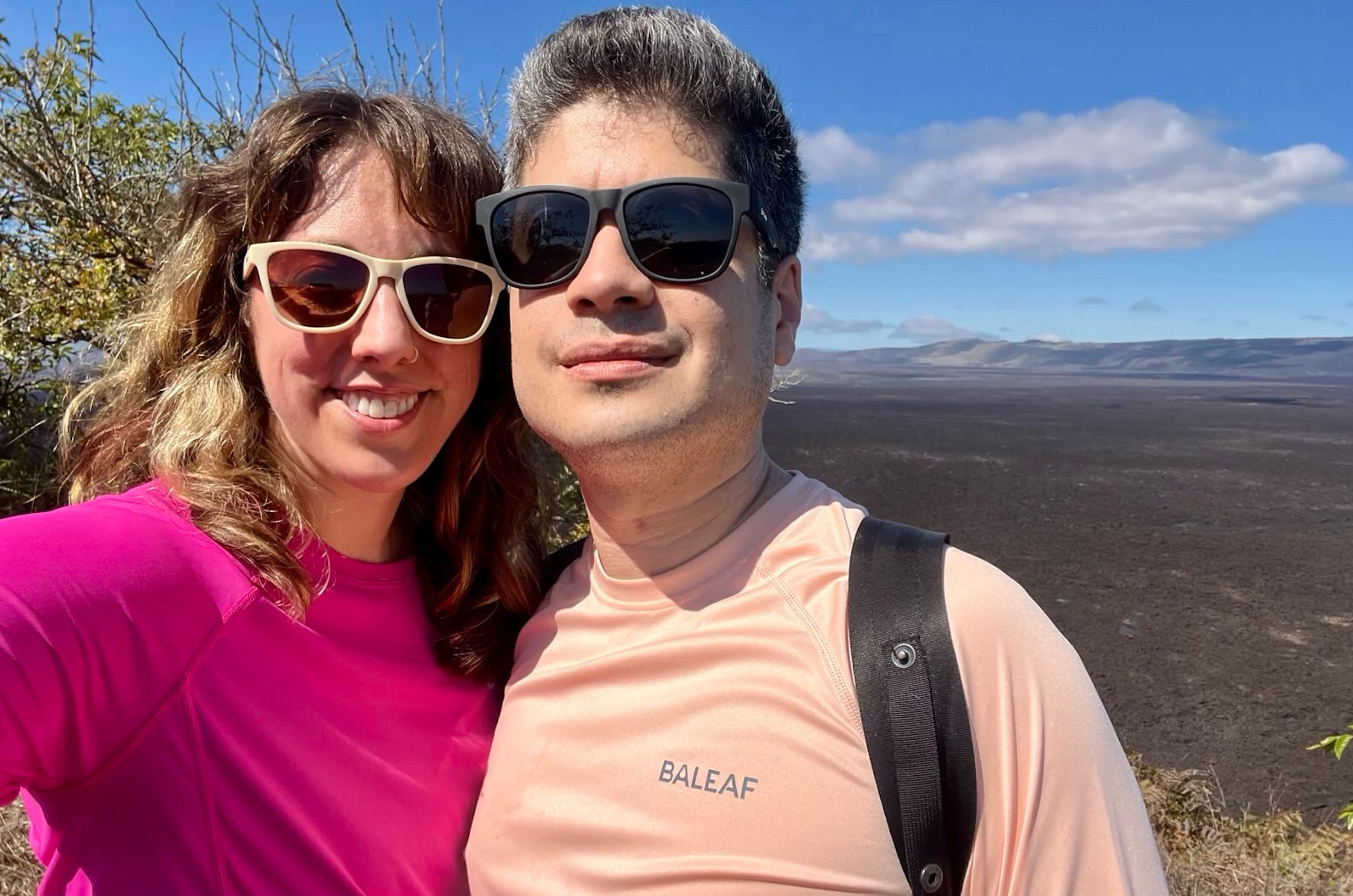
— Edited by William M. Arkin
This sparks so much joy. I'm so happy for you, that you had this epiphany. Isn't nature just magical and wonderful? Looking forward to your next moves!
Your journalism has always been a breath of fresh air amidst the sensationalist, click/view-driven smog that purports to be journalism. Thank you and I'm looking forward to whatever else you have in store!